Velorix
Velorix
Velorix
Explore our top-performing server architectures, hardware accelerators, and high-performance computing components designed to operate seamlessly with enterprise intelligent rack PDUs.
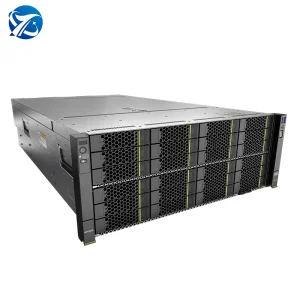
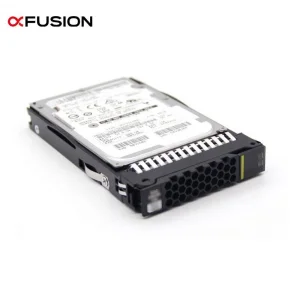
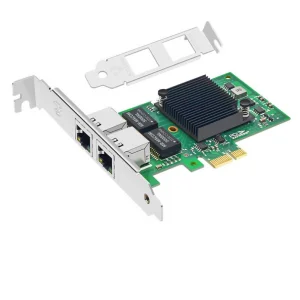
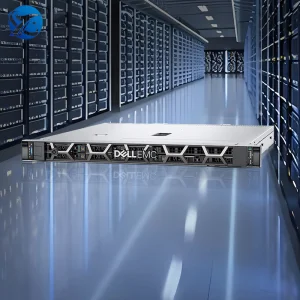
The rapid integration of Large Language Models (LLMs) like DeepSeek, GPT-4 architectures, and enterprise AI workloads has forced data centers to undergo rapid computational changes. Standard servers that traditionally drew 3kW to 5kW per rack are being phased out in favor of high-density AI clusters drawing 20kW, 40kW, and up to 100kW per cabinet. At this scale, the Power Distribution Unit (PDU) is no longer just a passive extension cord; it is the vital neurological hub of the data center's electrical distribution network.
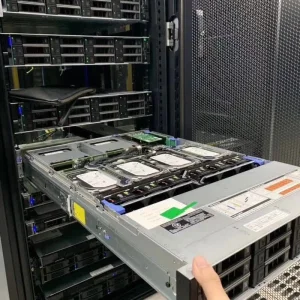
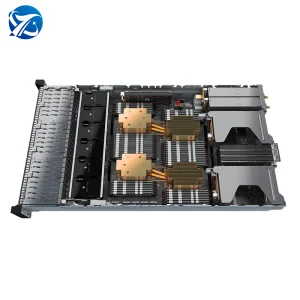
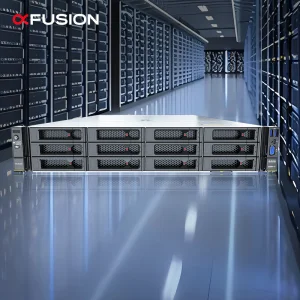
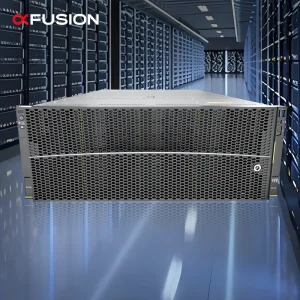
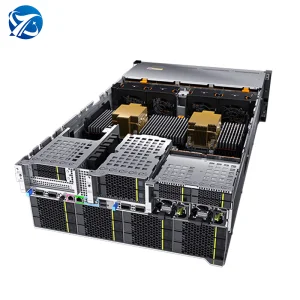
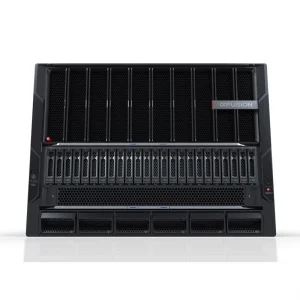
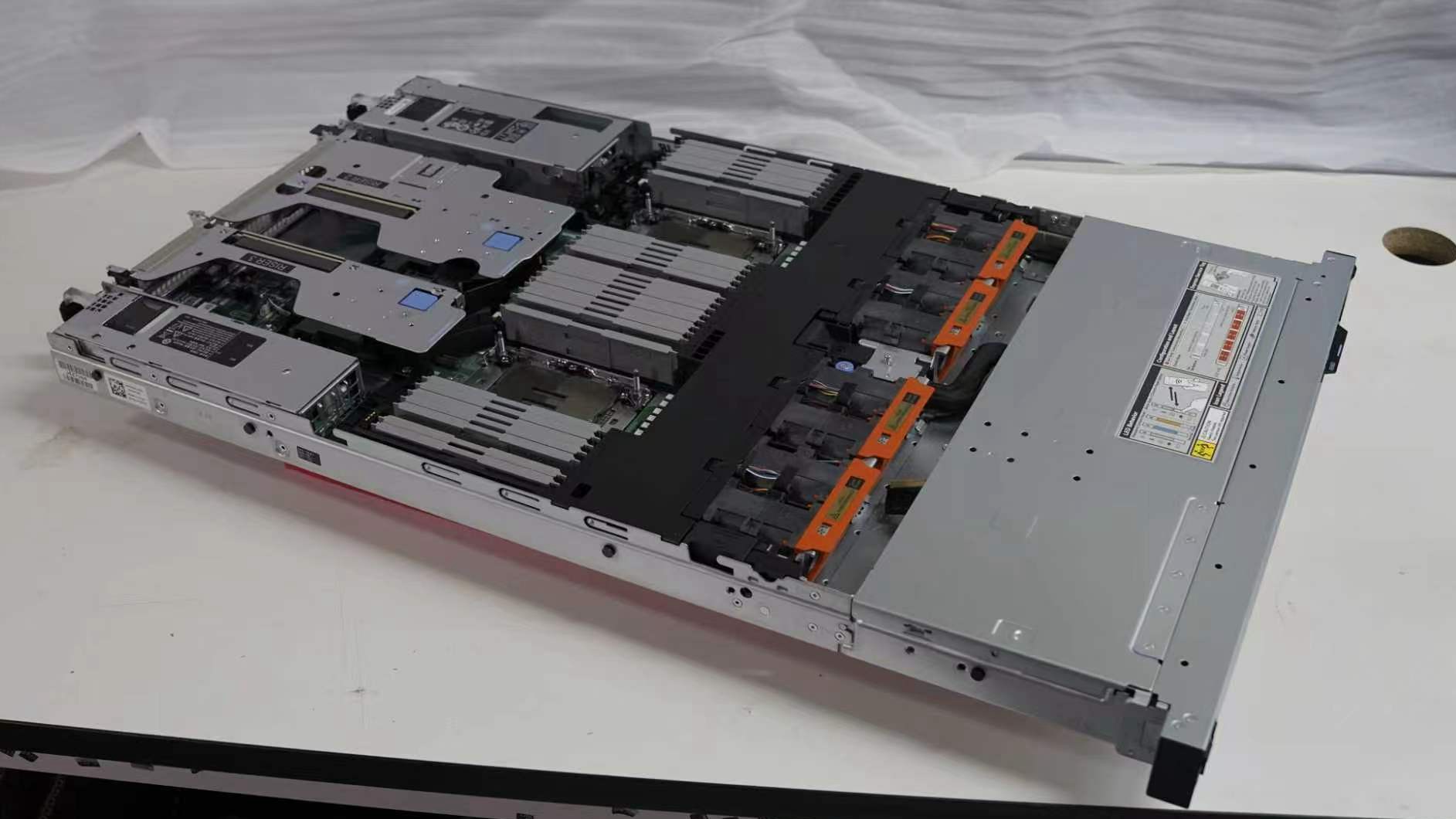
Modern AI servers, such as the xFusion FusionServer G8600 V7 8U GPU Rack Server and specialized 8-GPU computing platforms, depend heavily on stable, redundant, and highly responsive power sources. Deploying these intensive architectures requires intelligent power rails capable of handling extreme starting inrushes, managing dynamic thermal loads, and providing microsecond-level fault isolation. High-density intelligent PDUs (iPDUs) mitigate risks of unscheduled downtime and improve overall Power Usage Effectiveness (PUE) at the rack level.
GPU clusters exhibit highly dynamic power profiles. Unlike traditional CPUs that process workloads linearly, AI training and inference phases cause rapid swings in current draw. A multi-GPU rack can jump from an idle state of 4kW to a peak processing load of 35kW within milliseconds. These immediate spikes put extreme thermal and electrical stress on standard copper busbars and circuit breakers inside basic PDUs.
Industry-leading PDU exporters configure high-grade, intelligent vertical (Zero-U) and horizontal rack-mounted PDUs with dual-stage magnetic hydraulic breakers, which are resistant to ambient temperature variations. This ensures that even when server exhaust temperatures rise within high-density environments, the PDU operates without premature tripping, maintaining steady uptime for continuous model training.
China has established itself as the global manufacturing hub for power distribution technology, combining raw material access, engineering expertise, and advanced component sourcing. Factories in regions like Shenzhen and the Pearl River Delta leverage an integrated ecosystem that covers everything from initial design to certified mass production.
Chinese PDU factories use high-purity oxygen-free copper busbars to construct inner power rails. This structural precision minimizes electrical resistance, reduces thermal output under continuous load, and increases PDU lifespan.
Top exporters employ rigorous testing protocols, including high-voltage insulation tests, ground bonding tests, full thermal load profiling, and harmonic distortion analysis to guarantee compliance with international safety guidelines.
Integrating intelligent monitoring hardware, such as hot-swappable SNMP controllers, HTML5 web UI interfaces, and multi-sensor ports, allows global operators to track power usage trends in real-time.
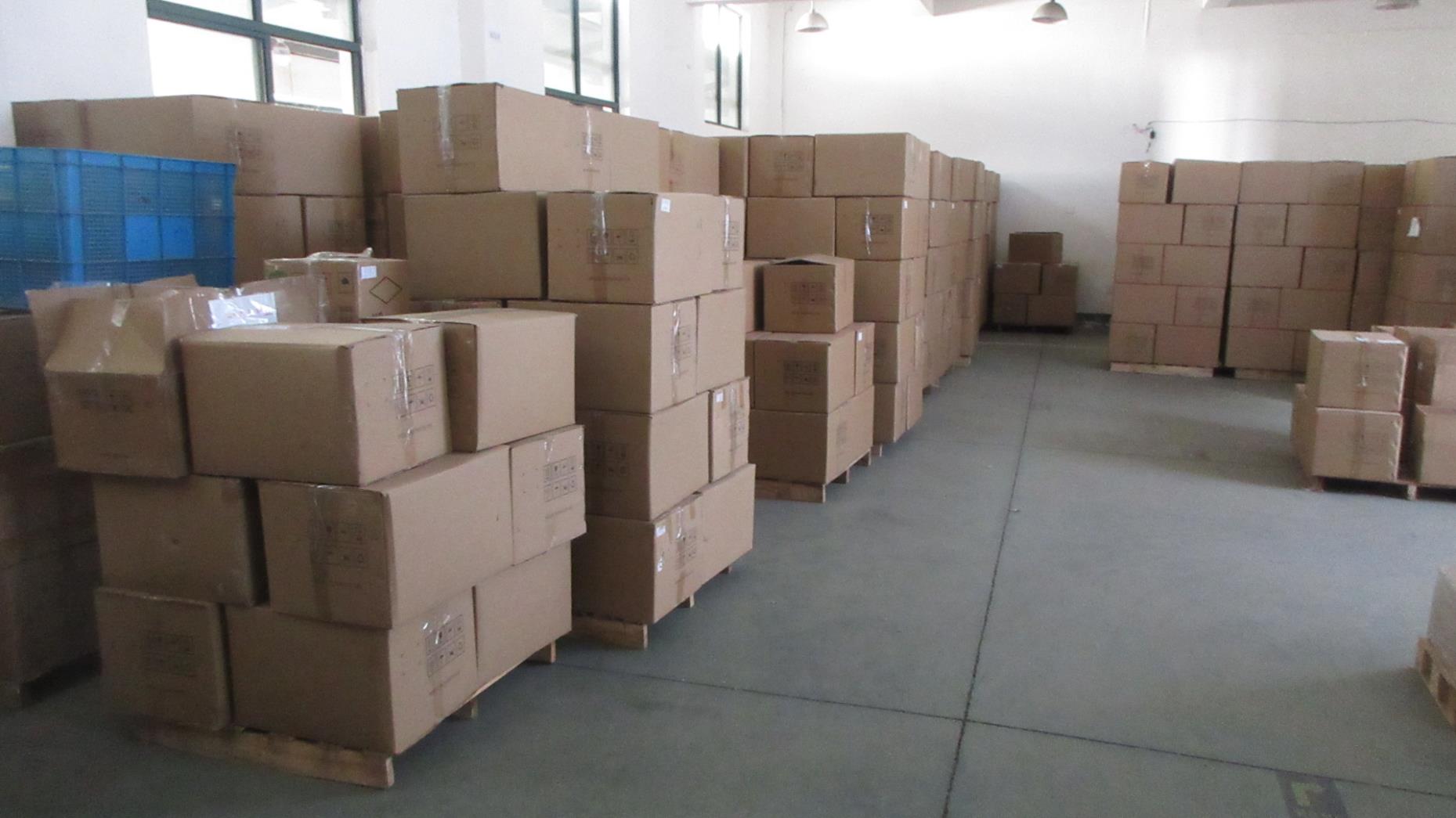
Furthermore, China's dynamic export logistics infrastructure enables secure freight lanes, rapid customs clearance, and comprehensive packaging architectures that ensure structural integrity for complex components like pre-configured intelligent PDU strips and server cabinets arriving at enterprise locations worldwide.
Data center architects classify PDUs based on their management, monitoring, and switching capabilities. Selecting the right topology is critical for maximizing performance and maintaining budget efficiency:
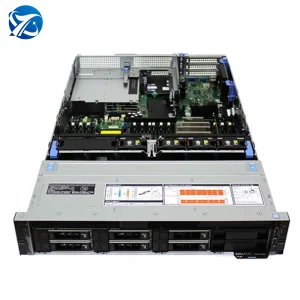
For modern environments running platforms like the xFusion G5500 V7 Multi-GPU AI Server or Dell PowerEdge R760 GPU Servers, intelligent iPDUs are recommended. These units provide granular control to isolate power surges and monitor consumption patterns, protecting expensive infrastructure from unexpected power anomalies.
When engineering global standard infrastructure, procurement managers must evaluate several technical criteria to ensure long-term compatibility, local regulatory compliance, and system safety:
International hardware configurations rely on standardized connection schemes. PDUs must offer a balanced mix of IEC C13 and IEC C19 outlets, alongside regional options like NEMA 5-20R or L6-30R. Due to high physical vibrations caused by high-RPM server fans, procurement teams prefer PDUs with integrated locking outlets (such as V-Lock or dual-sided locking tabs) to prevent accidental unplugging.
Hyperscale facilities require 3-phase power architectures (e.g., 400V AC, 3-Phase Delta or Wye configurations) to deliver high amperage to the rack without running excessively thick input cords. Ensuring the PDU splits phase loads evenly avoids neutral line overload and protects high-density components from Phase-to-Phase unbalance faults.
Every critical system, such as a GPU cluster or enterprise data storage node, uses redundant power supplies (PSUs). To maintain high uptime, these systems are connected to two independent PDUs: PDU A (Utility Feed) and PDU B (UPS/Generator Feed). China PDU manufacturers color-code their chassis (e.g., Blue for Feed A, Red for Feed B) to streamline rack cabling and reduce human error during installation.
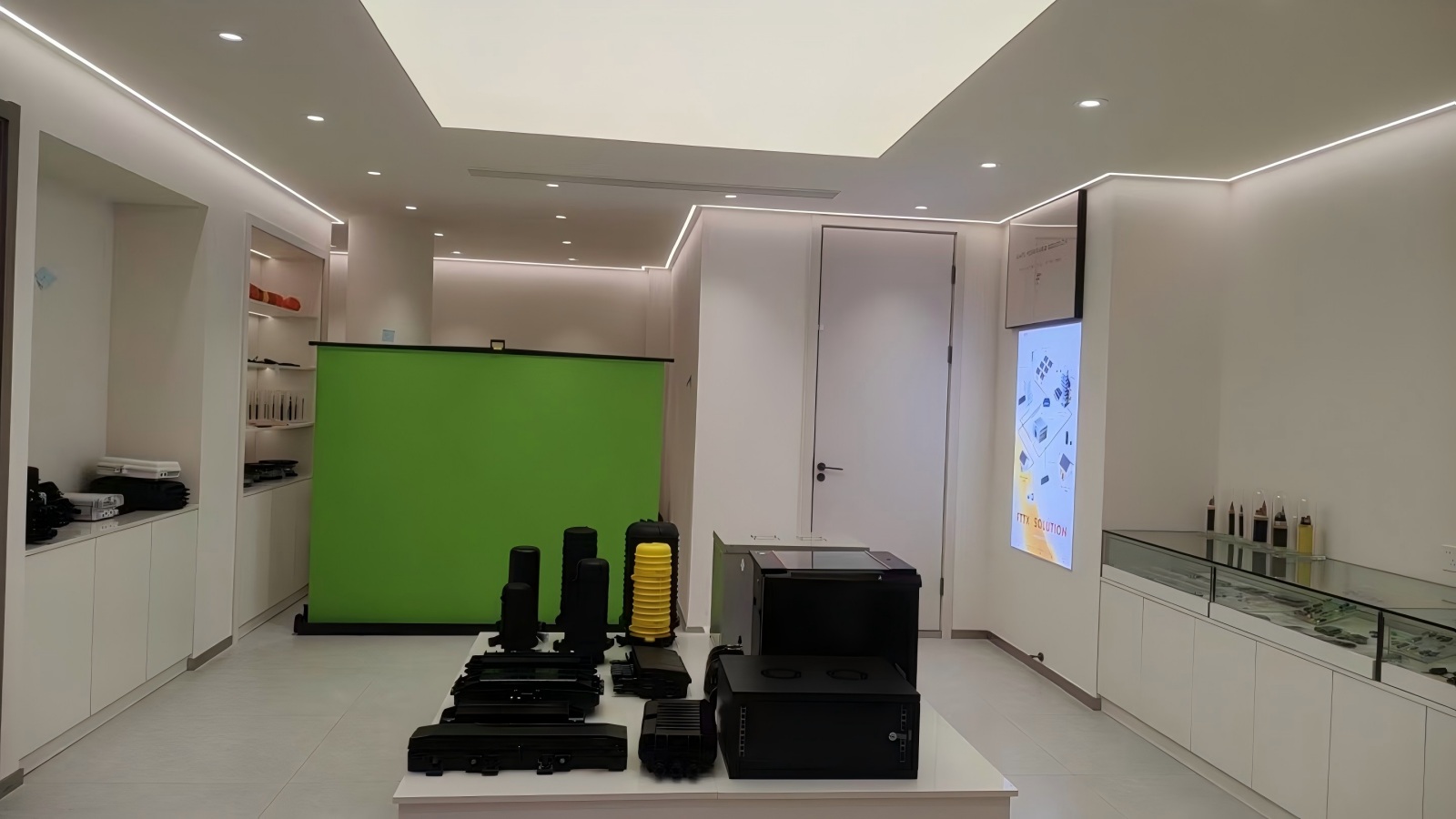
Founded in 2016, Velorix Intelligent Technology Co., Ltd. is a professional manufacturer specializing in AI GPU servers, high-performance computing systems, GPU clusters, and customized AI infrastructure solutions. With a modern production facility covering 380㎡, we provide reliable and scalable computing platforms for AI training, AI inference, deep learning, cloud computing, and data center applications.
Leveraging 10 years of industry experience and 6 years of export experience, Velorix has successfully delivered advanced GPU server solutions to customers worldwide. Our annual export revenue exceeds USD 12 million, reflecting our strong manufacturing capabilities and growing global presence.
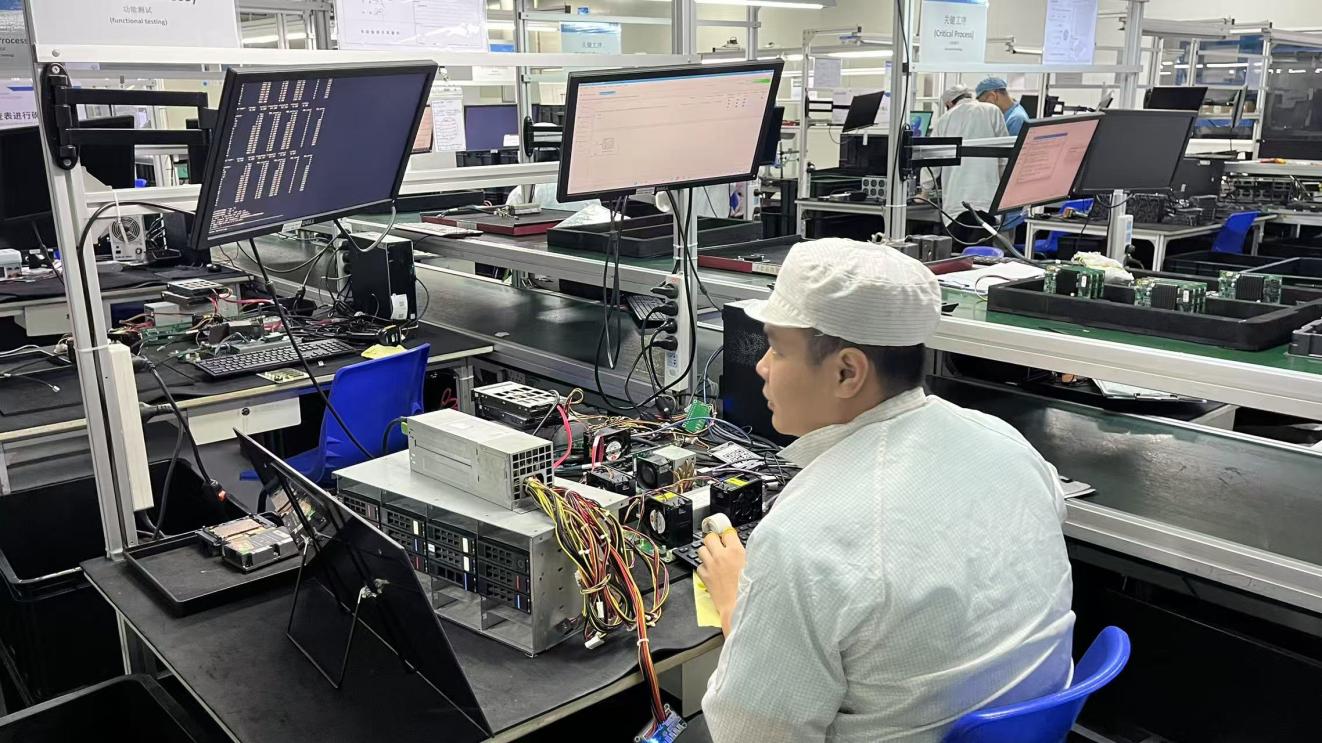
Quality is at the core of everything we do. We operate a comprehensive quality management system supported by 42 dedicated quality control personnel. Every product undergoes strict inspections, including component verification, burn-in testing, thermal performance testing, power stability testing, network validation, and final system performance benchmarking to ensure maximum reliability and performance.
As a manufacturer with integrated production and international trading capabilities, Velorix serves customers across North America, Europe, the Middle East, Southeast Asia, and Oceania. Our products are widely used by AI startups, research institutions, cloud service providers, system integrators, enterprise data centers, and HPC solution providers.
To maintain innovation and technological leadership, we have established strategic partnerships with more than 850 supply chain partners and technology suppliers. Our research and development team consists of 135 experienced engineers focused on server architecture optimization, AI computing solutions, thermal management technologies, and customized hardware integration.
Velorix offers comprehensive OEM and ODM services, enabling customers to customize GPU configurations, CPU platforms, memory capacity, storage architecture, networking solutions, rack integration, branding, and software deployment according to project requirements. Our strong R&D capability allows us to rapidly transform customer concepts into market-ready solutions.
Last year alone, we launched 168 new products and solution variants to meet the rapidly evolving demands of the AI and high-performance computing industry.
Driven by innovation, quality, and customer success, Velorix is committed to becoming a trusted global partner for next-generation AI computing infrastructure and GPU server solutions.
Deploying electrical equipment into international markets requires strict compliance with local safety standards. China's top PDU factories design, engineer, and build their power rails to meet the following industry-recognized certifications:
By specifying these testing criteria early in the design cycle, exporters ensure their hardware integrates seamlessly into enterprise facilities worldwide without compliance issues.
Get authoritative answers to common technical questions about integrating, configuring, and optimizing rack PDUs for enterprise and AI workloads.
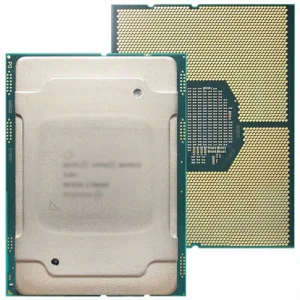
Explore more of our enterprise systems, optimized processors, and network-ready storage hardware, all built to integrate with robust power distribution infrastructures.