Velorix
Velorix
Velorix
Discover state-of-the-art AI servers, Liquid-Cooled Rackmounts, and enterprise systems optimized for deep learning arrays.
The paradigm shift toward massive large language model training, such as the latest DeepSeek systems and multi-billion parameter AI inferences, has exposed the fundamental limitations of classic data center designs. As silicon thermal design power (TDP) escalates from traditional 250-watt CPUs to advanced accelerator blocks pushing 700W to 1200W+ per GPU, air-based heat exchange systems are no longer sufficient.
At Velorix Intelligent Technology Co., Ltd., we tackle these hardware bottlenecks. Air cooling struggles to maintain stable operating junction temperatures under sustained heavy workloads, leading to structural thermal throttling, localized hot spots, and unacceptable power usage effectiveness (PUE) metrics. Consequently, global hyper-scalers and enterprise centers are executing rapid migrations to customized server cooling solutions.
This technical briefing outlines the engineering roadmaps, testing guidelines, and supply chain efficiencies that position Chinese manufacturing at the forefront of this critical cooling transition.
Utilizes ultra-precision micro-channels to deliver fluid immediately above high-flux silicon dies, lowering thermal resistance close to theoretical limits.
Separates internal secondary server-level clean loops from external primary building facilities water loops via custom mechanical CDU systems.
Ensures absolute protection during maintenance swap-outs, utilizing medical-grade dry-break couplers to prevent fluid ingress on delicate PCB boards.
Mapping the transition from high-velocity air heat sinks to single-phase and two-phase thermal liquid immersion cooling.
Advanced Vapor Chamber (VC) structures and deep fins integrate directly with dual-socket processors. Utilizing copper-methanol phase change inside sealed chambers, these systems manage components up to 400W TDP, provided chassis airflow remains above 80 CFM.
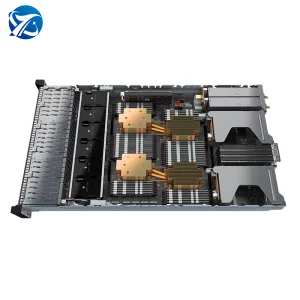
Direct-to-Chip cold plates channel treated water/glycol mixtures directly over copper blocks mounted on the die. Ideal for high-density multi-socket rack deployments, liquid loops capture up to 85% of total server heat, bypassing air pathways.
Submerging entire server blades in dielectric fluid. Eliminates fans, heatsinks, and complex structural tubing. Single-phase systems pump dielectric fluid through external dry coolers; two-phase setups leverage low-boiling fluids to cycle heat via vapor-condensation.
Customized thermal architectures engineered for target environments, operational budgets, and strict compliance metrics.
Dedicated multichip nodes running continuous compute cycles. Requires custom manifold manifolds paired with localized liquid CDU platforms, supporting 100kW+ per cabinet configurations to limit GPU degradation.
Edge cabinets positioned in harsh, variable environments. Demands sealed, IP-rated passive liquid-to-air cooling structures, offering zero maintenance and high structural reliability.
Heavy scientific nodes demanding stable temperatures for clustered computations. Our customized cold plate configurations ensure minimum thermal fluctuations across high-frequency Xeon and EPYC multi-socket systems.
The optimal cooling architecture is shaped by your regional PUE targets, water availability, and rack density. Modern facilities aim for a PUE of < 1.15, which generally mandates some form of liquid-assisted heat removal.
Founded in 2016, Velorix Intelligent Technology Co., Ltd. has established a footprint in the AI computing space. Operating a modern, highly specialized 380㎡ precision assembly and validation environment, we specialize in high-efficiency cooling integrations. We ensure every cold plate loop, manifold joint, and thermal interface meets strict international standards.
Our deep vertical supply integration coordinates with over 850 strategic partners. This ensures we can procure premium materials—ranging from customized EPDM non-permeable hoses to microfluidic plates and intelligent CDUs—with minimal lead times.
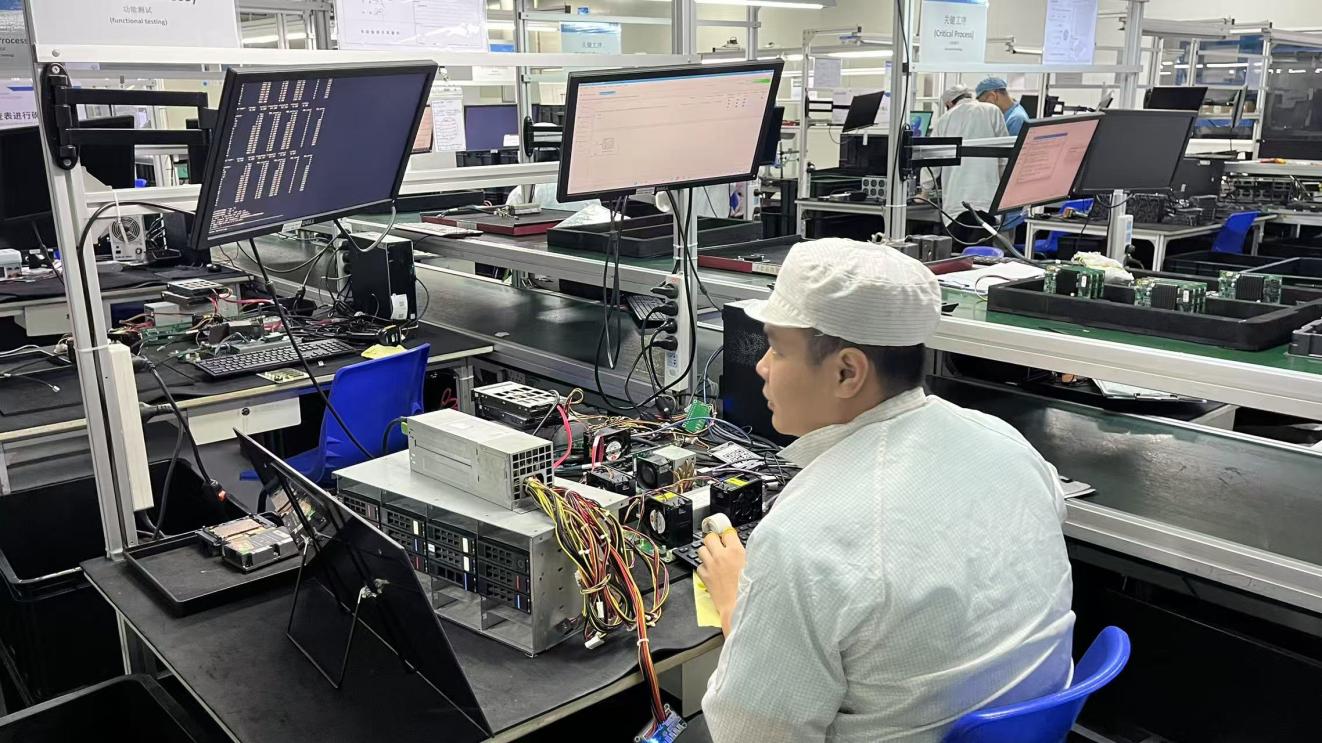
Quality control is managed by a team of 42 dedicated QC engineers. No system leaves our facility without completing a stringent testing protocol, including Helium leak detection, pressure drop tests, thermal cycling stress, and 72-hour system performance benchmarking under dynamic computing loads.
Material testing and verification of quick-disconnect seals.
Ensuring structural integrity of liquid manifolds under elevated pressures.
Simulating high-compute workloads to assess performance stability.
Analyzing network throughput and actual PUE ratios.
Reducing Total Cost of Ownership (TCO) and scaling data infrastructure efficiently.
Our R&D team customizes plate brackets and manifold routings to fit existing Intel Xeon, AMD EPYC, and NVIDIA server designs, preventing interference with nearby memory or PCIe slots.
We customize Coolant Distribution Units (CDUs) to match specific flow rate and secondary loop pressure needs. Incorporating smart sensors monitors flow rates and humidity in real time.
With a focus on rapid iteration, we launched 168 new product variations last year. We quickly develop prototypes from basic structural diagrams to speed up validation and field testing.
Operating in markets across North America, Europe, the Middle East, and Southeast Asia requires strict adherence to global regulatory frameworks and safety standards.
All server cooling systems, pipes, and fittings carry CE, FCC, and RoHS certifications, ensuring compliance with local environmental regulations.
Using specialized structural wooden crates with custom foam molds protects assemblies from vibration during international shipping.
Our 135 engineers offer pre-sales modeling, CFD simulations, and remote installation guidance to simplify system integration.
Partnering with 850+ supply chain companies guarantees access to replacement fittings, pumps, and quick disconnects for long-term operations.
Answers to common engineering questions regarding server thermal management.
Typically, when processor TDP exceeds 350W-400W or cabinet density rises above 35kW, air cooling becomes inefficient. High fan speeds consume excessive energy, increasing PUE. Liquid cooling handles densities of 100kW+ per rack, keeping junction temperatures stable.
We use Helium leak detection, industrial-grade EPDM tubing, and dry-break quick-disconnect couplers. Every finished loop undergoes strict high-pressure validation tests before shipping to ensure safe operation.
D2C uses localized cold plates to target high-heat components like CPUs and GPUs, leaving other components to ambient air or secondary systems. Immersion cooling submerge the entire server in dielectric fluid, eliminating the need for fans and simplifying heat rejection.
Yes. Our OEM/ODM service allows customization of micro-channel cold plates, manifolds, and brackets to match specific board dimensions and thermal profiles.
By improving heat transfer efficiency, our systems reduce fan power consumption and lower server junction temperatures. This improves computing efficiency, decreases thermal throttling, and lowers PUE, resulting in significant utility savings.
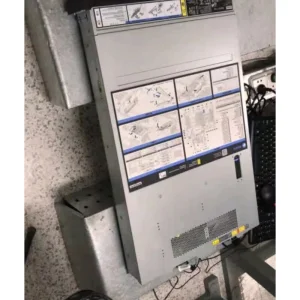
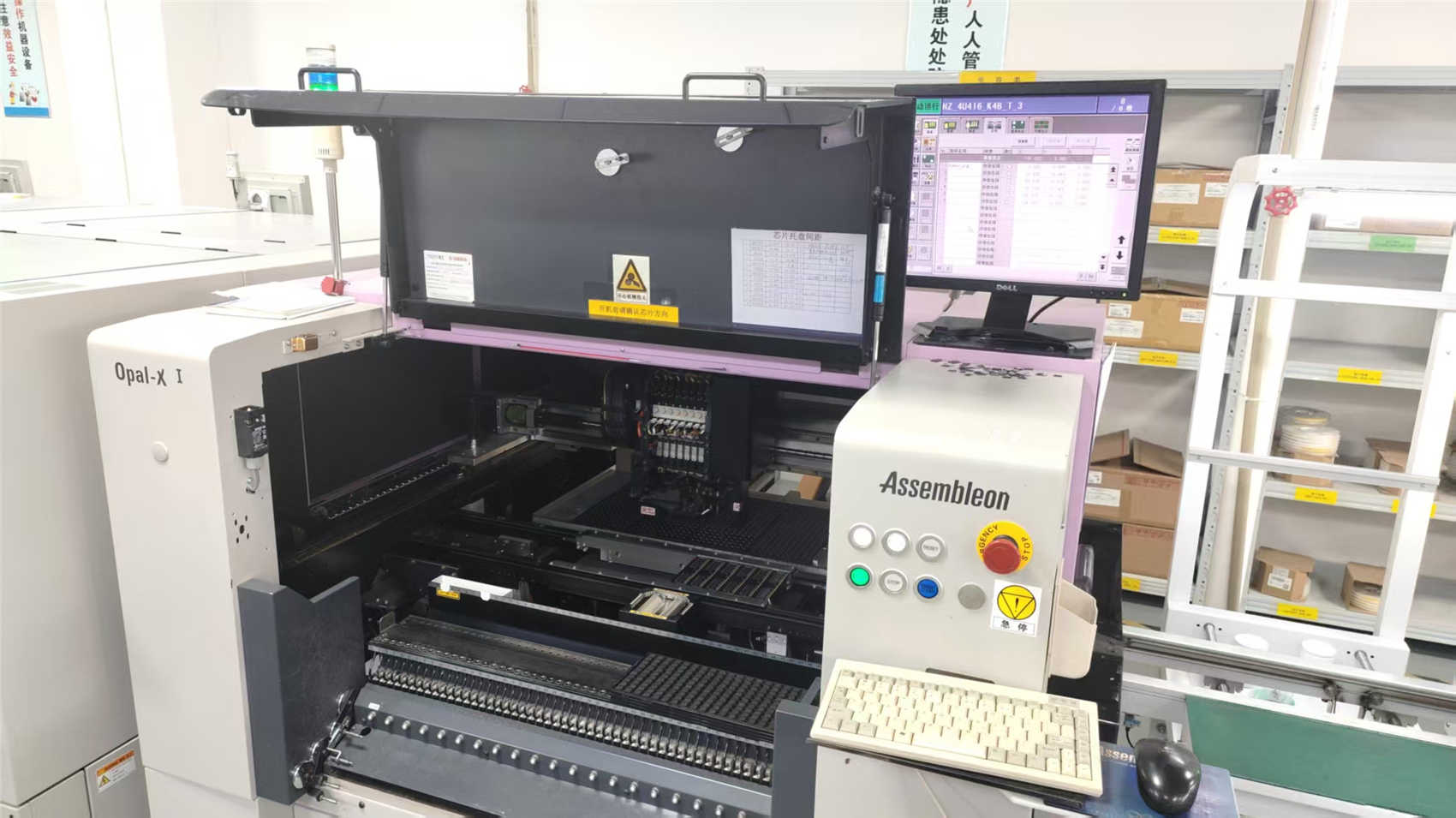
Inside our manufacturing and quality verification facility.
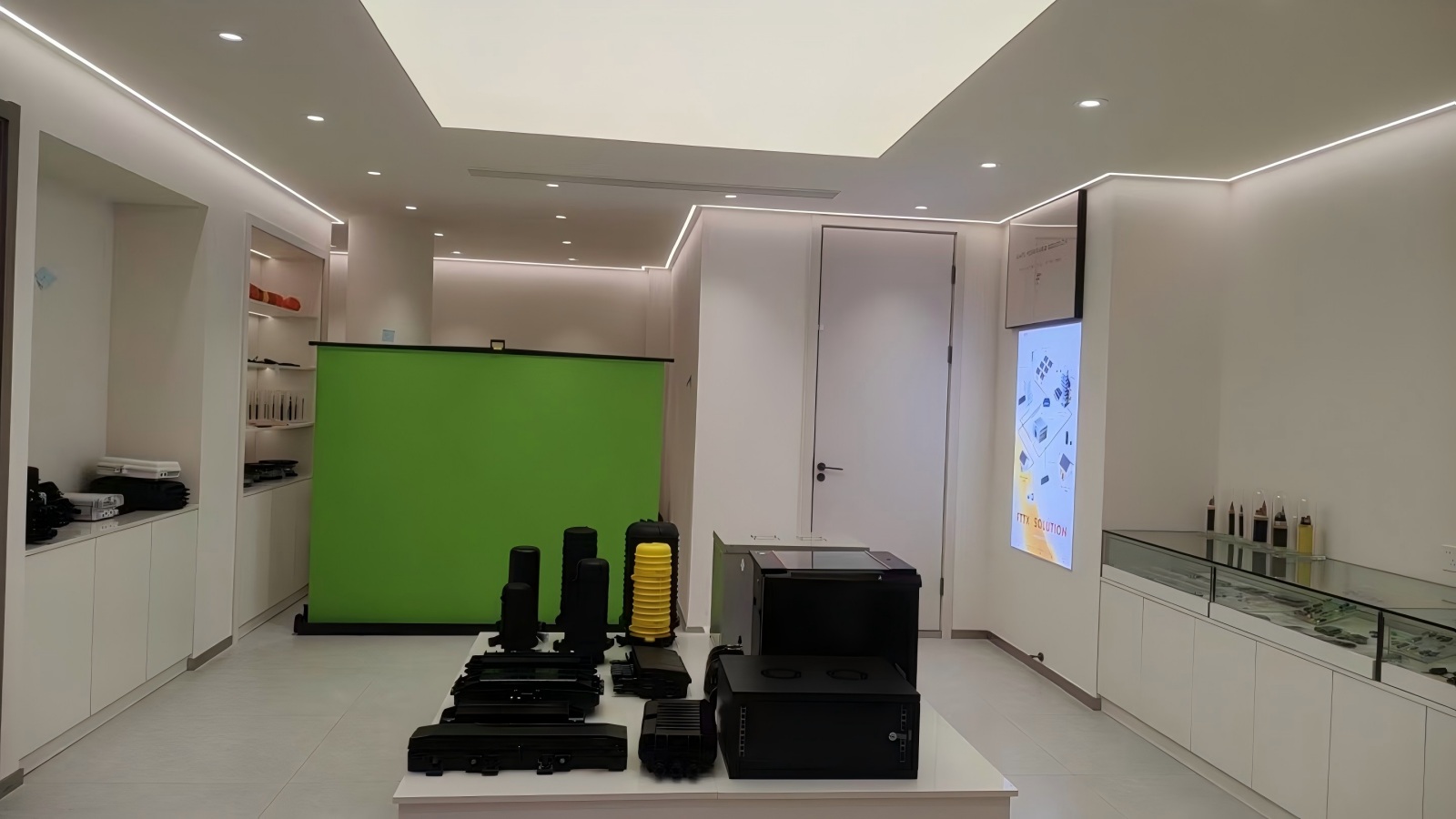
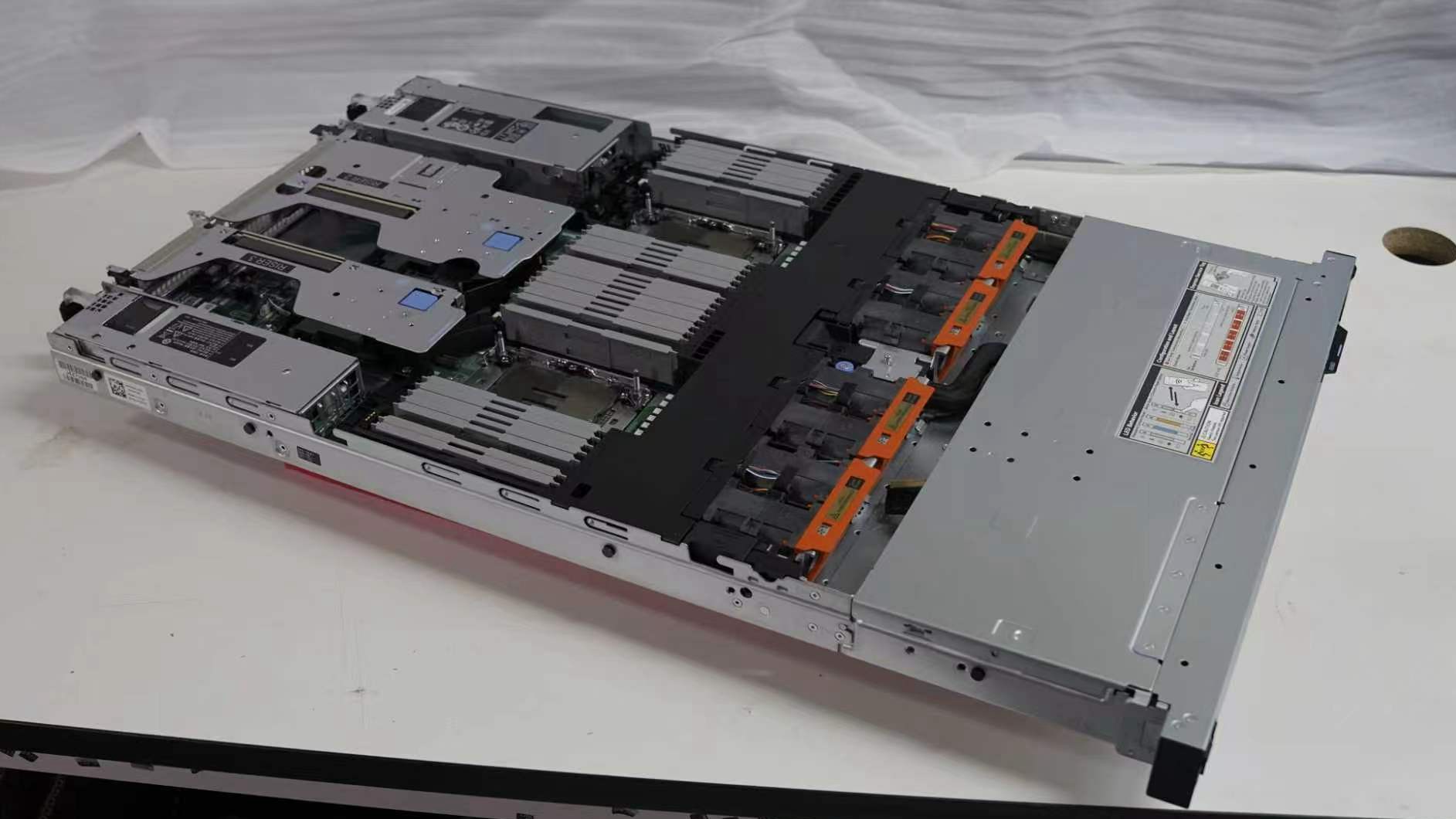
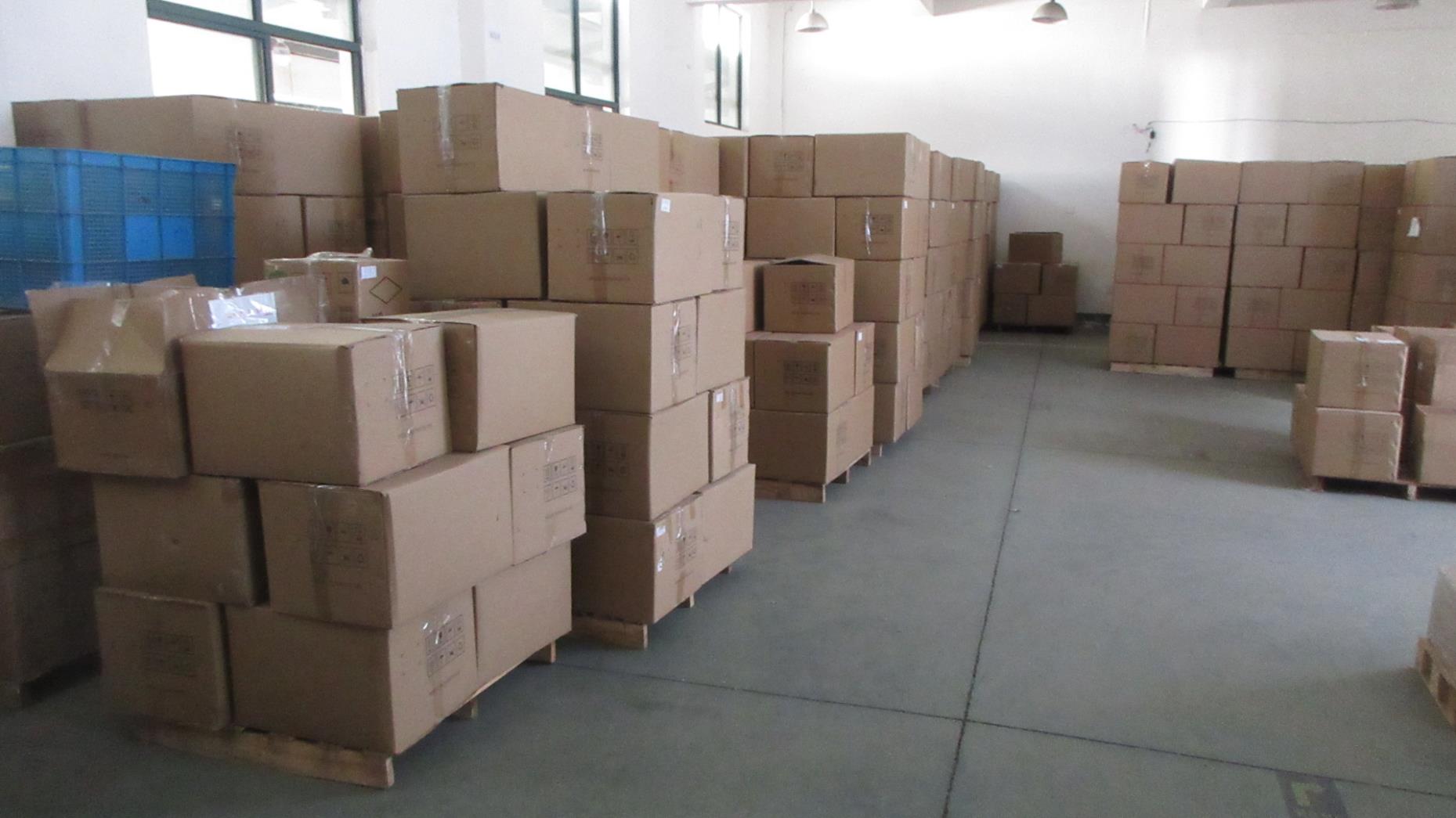
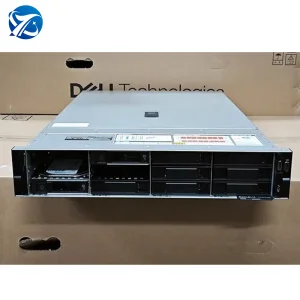
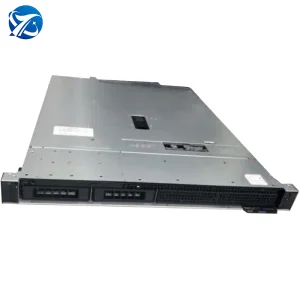
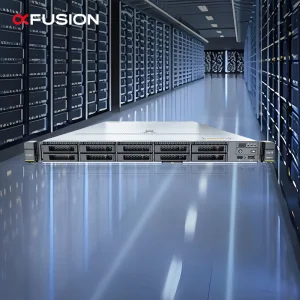
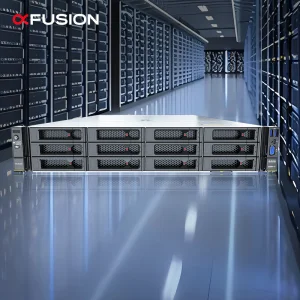
High-capacity networking hardware, rack storage arrays, and custom components ready for global deployment.